brecorder56d ago
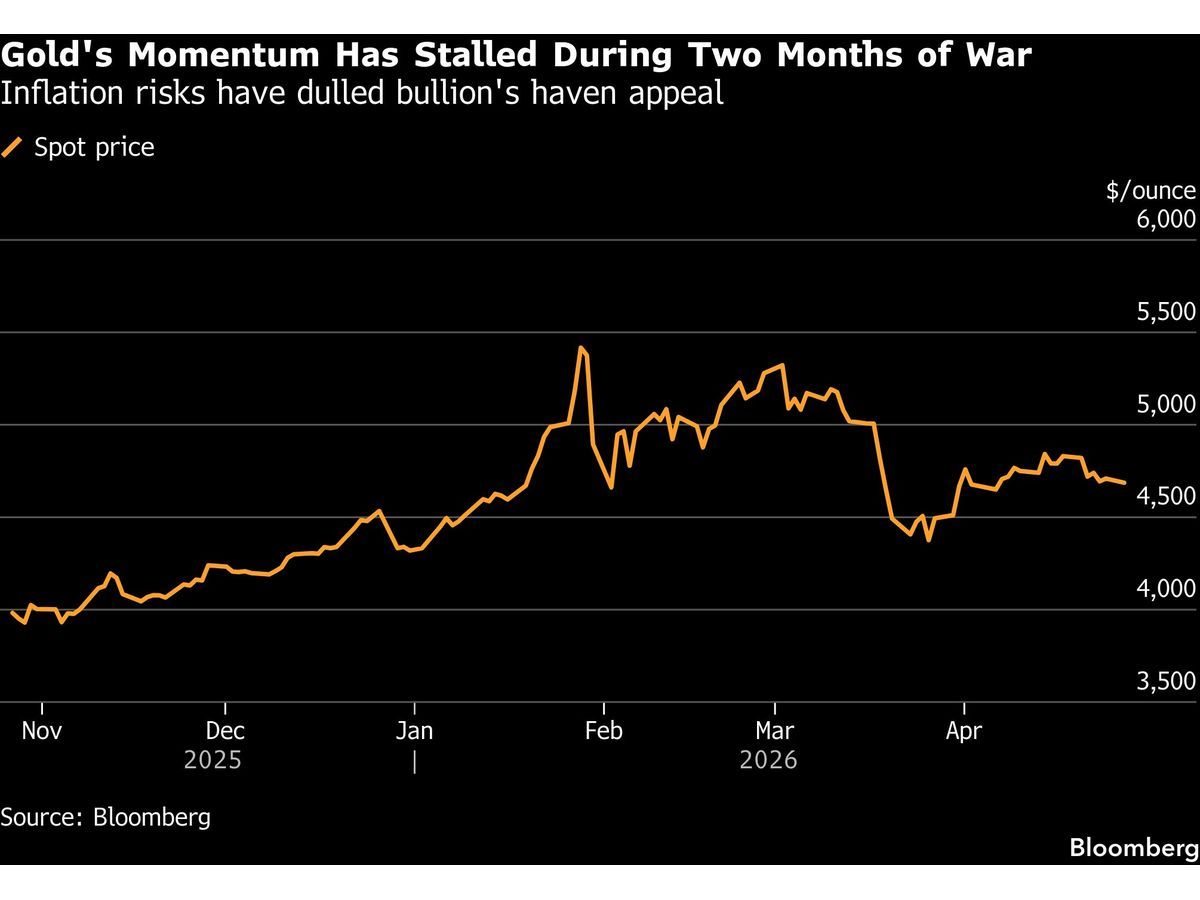
In its upcoming monetary policy announcement, the SBP is anticipated to emphasise forward guidance in light of increasing oil prices and supply shortages. While inflation has shown a significant decline, the risks have notably escalated due to surging oil prices and hikes in energy tariffs. Although the situation is currently being managed effectively, stress on Pakistan’s economy is becoming increasingly evident due to external factors. Inflationary pressures are escalating alongside rising energy costs. The external account faced some short-lived pressure, but it was managed in a timely manner, reliant on IMF support, bilateral collaboration, and crucially, rollovers. An analysis of inflation trends indicates a clear upward movement, with no signs of relief in the current trajectory, suggesting unfavorable outcomes ahead. There are two primary factors contributing to the increasing pressure: oil prices and supply constraints that are creating price distortions, leading to further cost increases. Currently, liquidity challenges (both domestic and external) are not unique to us. Gulf countries are encountering similar difficulties. Recent closures in the Strait of Hormuz have left nearly all Gulf Cooperation Council (GCC) states, except for Saudi Arabia and Oman, grappling with liquidity issues. The UAE has sought a US dollar swap facility from the Federal Reserve due to revenue strain, a request currently under consideration by the US government. Several Gulf and Asian nations are seeking swap facilities to prevent the sale of US assets and maintain orderly dollar funding markets. Following Russia, China is also divesting from US treasuries, and the US would prefer not to see Gulf countries offloading treasuries or other dollar-denominated assets. From the US viewpoint, this situation presents a viable opportunity to offer swap facilities as the petrodollar faces gradual pressure. It has been observed that oil transactions priced in yuan are increasing, with central banks diversifying their reserves into gold and BRICS gaining traction, trends that do not align well with the US economy. However, a pressing question arises: where is the IMF? Why isn’t it providing the necessary support to the Gulf countries, which had a minimal outstanding of $ 100 million as of April 2026? This situation in the Middle East is different from the Eurozone crisis of 2010-2012, where Eurozone nations were vulnerable due to lost market access, high debt levels, and banking/sovereign stress. In contrast, the GCC countries have not sought IMF assistance. GCC nations are wealthy oil exporters boasting substantial foreign exchange reserves and sovereign wealth funds (amounting to trillions of dollars). Unlike the Eurozone crisis, this does not represent a structural balance of payments crisis. Theoretically, the GCC could borrow over $150 billion from the IMF, which has a lending capacity exceeding $1 trillion following a quota increase. This discussion suggests that the economic landscape for Pakistan is shifting towards increasingly difficult global circumstances. Even if an agreement is reached in the coming weeks and months, it could result in tougher economic scenarios for emerging economies burdened by debt. In light of these circumstances, fiscal management is making timely adjustments to petroleum prices. Remittance inflows, a vital component of the economy, will offer better insights into economic health as we approach the fiscal year-end. The SBP is also expected to take proactive steps by gradually raising interest rates, allowing for future adjustments based on the outcomes of negotiations and stability in the Gulf states. Therefore, an increase of between 50 to 100 basis points would assist in the next policy meeting, with a hawkish stance also supporting the PKR. Global Markets Weekly Update As we head into the new week, global financial markets will be keeping a close eye on the announcements from central banks regarding interest rates. The State Bank of Pakistan (SBP), Bank of Japan (BOJ), Bank of Canada (BoC), Federal Reserve (Fed), European Central Bank (ECB), and Bank of England (BoE) will be revealing their policy decisions. Given supply issues and rising energy prices, the market does not anticipate a rate cut. In recent months, inflationary pressures have intensified due to changes in the geopolitical landscape, resulting in a reversal of the inflation scenario toward the upside. Consequently, investors will be paying attention to the language, dot plot, and forward guidance that will indicate the future direction of policy. Global financial markets remain uncertain, seeking a clearer understanding amidst discussions of a potential diplomatic resolution to the ongoing conflict between the USA and Iran. While there is some hope for a compromise, market participants realize that it is unrealistic to expect a quick resolution to a 47-year conflict following just a few meetings. Developments in the Middle East are impacting global currencies, bonds, and stock markets alike. Nonetheless, the pricing in the energy sector remains troubling, with significant disparities between screen prices and landed costs, exhibiting a lack of comfort and confidence due to the evident geopolitical risks. This is largely caused by pressure from the US Navy on Iran to open the Strait of Hormuz, which has reportedly so far blocked over 30 oil tankers. Consequently, oil traffic is gradually shifting towards North America, leading to a widening price gap between WTI and Brent of more than $ 10. Without alternative arrangements, the International Energy Agency (IEA) estimates an average shortfall of about 13 million barrels per day. In the forex market, it’s important to note that the Japanese yen is not exceeding 160 yen per USD. This is attributed to warnings from Japanese authorities, who have indicated they will intervene if this critical resistance level is breached. Officials are clearly intent on safeguarding the Japanese Yen from further weakening through verbal interventions, affirming their readiness to defend their currency. It will be interesting to observe the voting patterns on Tuesday and how policy members respond to the current situation following their previous 9-0 vote in favour of keeping policy rates unchanged. Meanwhile, the UK labour market remains weak, which does not support a rate hike. Given the current global economic conditions, the BoE is unlikely to increase rates, as doing so could contract its economy. If the situation persists, this dovish stance will not be beneficial for a stronger Pound Sterling. #GOLD @ $ 4709- Given the potential for significant fluctuations on both sides, the market is set for another turbulent week. The discussions between the US and Iran will be a key influencing factor. This week, keep an eye on support levels near $4632 and $ 4510 or lower. On the upside, gold must break through $4785 to reach $4860. #EURO @ 1.1722- As long as 1.1840 remains intact, there is a risk of downward movement. However, the Euro must drop below 1.1612 to hit 1.1550. #GBP @ 1.3533- Pound Sterling needs to surpass 1.3640 for further gains, which appears challenging. There is a risk of a decline. If it falls below 1.3450, it could drop to around 1.3380. #JPY @ 159.38- It must break through the 160.50 level to advance toward 162.05. However, there is a risk that if the $/JPY pair doesn’t move, it may test the 158.60-70 range. A further drop could lead it to 157.90 levels. Copyright Business Recorder, 2026