
fool4d ago
Why Hyperliquid Jumped Another 11.6% on Tuesday
Hyperliquid is now the ninth-largest cryptocurrency. Here's what's driving the surge.
#CRYPTO
Hyperliquid is now the ninth-largest cryptocurrency. Here's what's driving the surge.

BitcoinWorld Binance Says Greek Regulator Found Its MiCA Application Compliant, Refuting Rejection Reports Binance has publicly stated that it understands Greek regulators have determined its license application complies with the European Union’s Markets in Crypto-Assets (MiCA) regulation. The exchange communicated this via its official X account, adding that it believes the application was also reviewed at the level of the European Securities and Markets Authority (ESMA). Contradicting Earlier [...] This post Binance Says Greek Regulator Found Its MiCA Application Compliant, Refuting Rejection Reports first appeared on BitcoinWorld .
These stocks are down this year, but they could have tremendous upside in the long run.
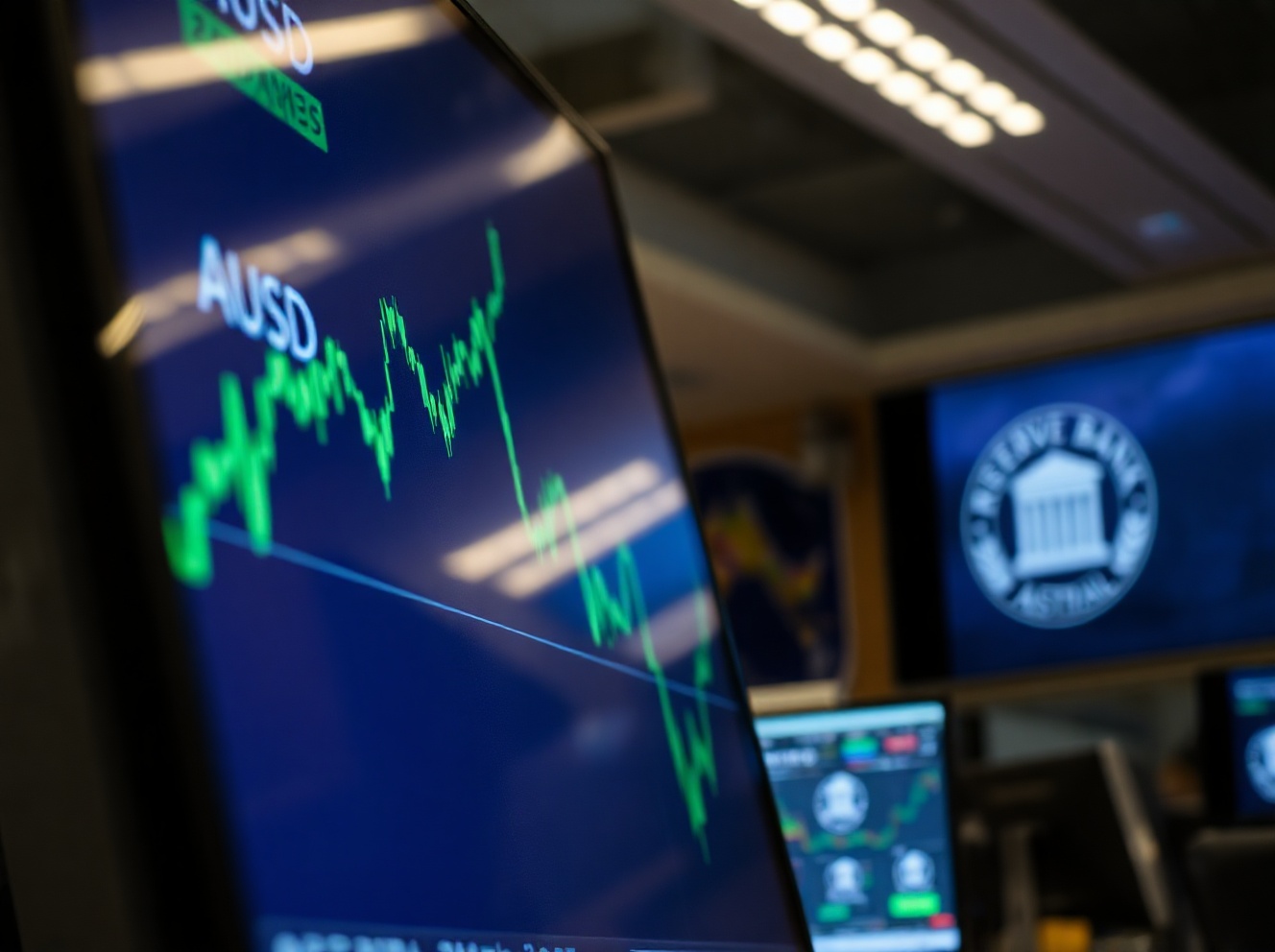
BitcoinWorld Australian Dollar Rises After Hawkish RBA Hold; Fed Decision Next in Focus The Australian Dollar strengthened against major peers on Tuesday after the Reserve Bank of Australia (RBA) held its cash rate steady at 4.35% but struck a notably hawkish tone in its accompanying statement. The decision, widely expected by markets, was overshadowed by the central bank’s firm stance against near-term rate cuts, pushing the AUD higher [...] This post Australian Dollar Rises After Hawkish RBA Hold; Fed Decision Next in Focus first appeared on BitcoinWorld .

Mumbai, Jun 16 (PTI) The rupee ended 2 paise lower at 94.60 against the US dollar on Tuesday, breaking its two-day gaining momentum amid easing crude oil prices after the West Asia peace agreement. Forex traders said that before ending with a slight loss, the domestic currency stayed firm, supported by the de-escalation of the [...]
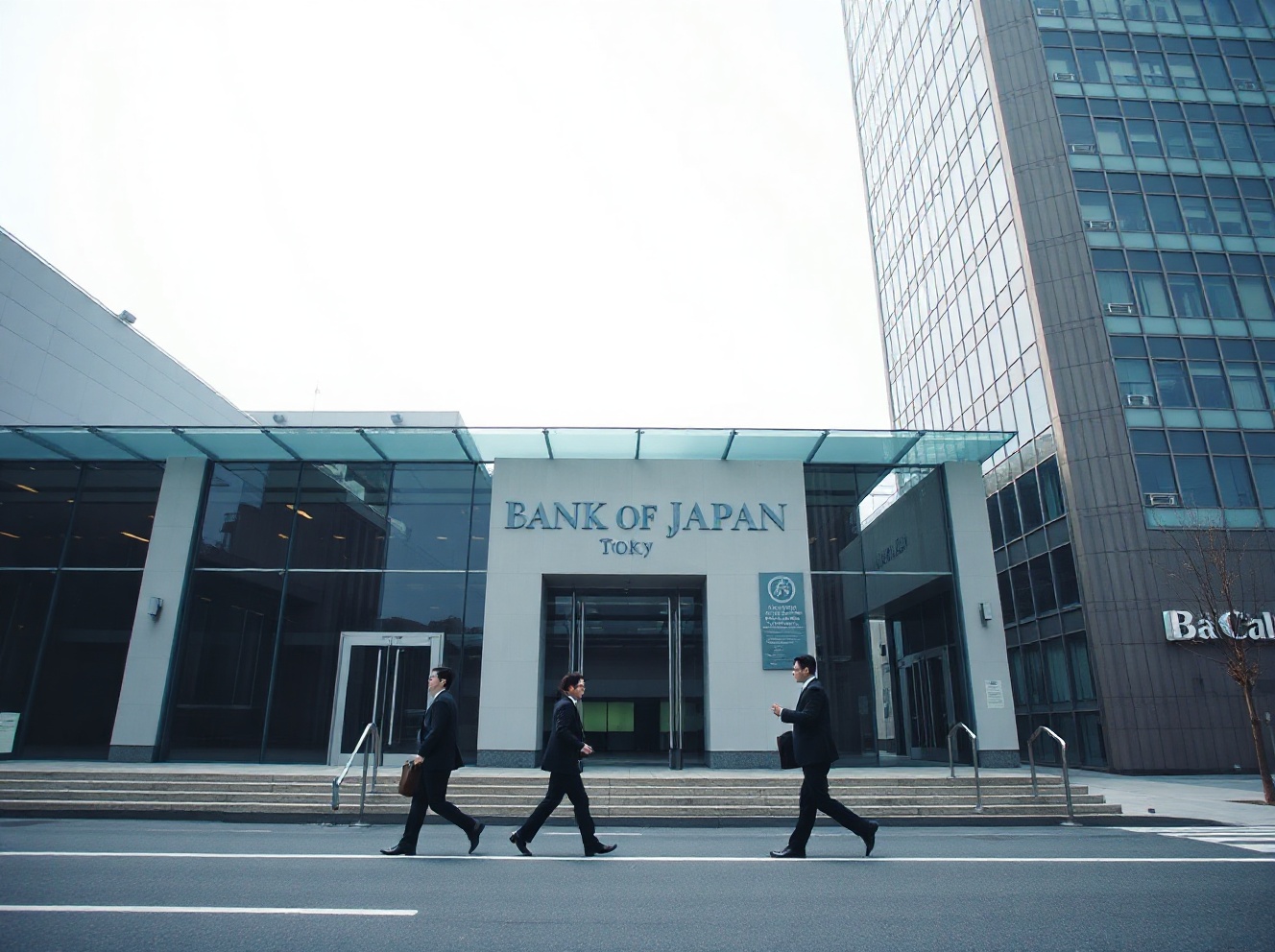
BitcoinWorld BoJ’s Hawkish Shift Strengthens Yen Outlook, BNY Strategists Say The Bank of Japan’s (BoJ) recent hawkish policy adjustments are reinforcing a constructive outlook for the Japanese yen, according to analysts at BNY. The assessment comes after the BoJ signaled a more aggressive stance on normalizing monetary policy, a move that has shifted market expectations for the currency pair. BNY’s Analysis of the Policy Shift [...] This post BoJ’s Hawkish Shift Strengthens Yen Outlook, BNY Strategists Say first appeared on BitcoinWorld .

FIIs were net sellers in Indian equities on Tuesday, offloading shares worth ₹749.18 crore on a provisional basis, while domestic institutional investors (DIIs) remained largely absent.
(MENAFN - Daily Forex) The Nasdaq 100 is once again finding fast momentum upwards and is near the 30,660.00 mark via futures trading this morning, this after yesterday's fast climb up on the cash ...
(MENAFN - Daily Forex) The S&P 500 is trading via its futures value near the 7,568.00 mark as of this writing, on last Thursday the index was near a low of almost 7,235.00, this as another sea ...

Castries, Saint Lucia, 16th June 2026, FinanceWire

CMC Markets Canada (CMCX), a global provider of online trading technology for retail, professional and institutional clients, has expanded its platform offering with the launch of MetaTrader 5 (MT5).
Flat PopSockets Are Here (and I Like It Better Than OhSnap's Flat Grip) CNET PopSockets’ new ultrathin grip is the product its founder wanted to make all along Fast Company The new PopSockets grip is so thin you’ll forget it’s even there The Verge