
financialtimes22d ago
Defence group CSG still pursuing stake in Franco-German tank maker
Czech ammunition manufacturer is in discussions with KNDS stakeholders, chief executive says
#TECH
Czech ammunition manufacturer is in discussions with KNDS stakeholders, chief executive says

Western AI models are turbocharging Tehran’s cyber operations, helping it develop malware and launch attacks

In Cotonou, Benin’s largest city and economic capital located on the southern Atlantic coast, construction crews are busy building major projects, stretching from large-scale port upgrades to the asphalt-paving of the commercial hub’s main roads. At the Autonomous Port of Cotonou, China Harbour Engineering Company is advancing Terminal 5, a project that involves reclaiming land from the sea and building two 100,000-tonne general purpose berths. Beyond municipal upgrades, Chinese firms are...

Acuity Trading CEO takes top job at MarketReader In the latest executive moves, Andrew Lane, the Chief Executive of London-based Acuity Trading, become the CEO of MarketReader. The latter is an AI startup that Acuity invested in two weeks ago. Co-founder Jens Nordvig, who has led MarketReader since 2021 and previously worked as a currency strategist at Goldman Sachs and Nomura, will move to a board role. Lane will retain his CEO position at Acuity and run both companies in parallel, with each business continuing to operate under its own brand. Acuity disclosed its investment in MarketReader earlier this month without sharing financial details or the size of its stake, and neither firm has said whether Acuity holds a majority. The deal was announced one day before Acuity revealed a separate co-integration agreement with US engagement firm WNSTN to plug third-party chatbot technology into its broker-focused intelligence stack. Learn more about Acuity Trading CEO's new appointment at MarketReader . Kira Financial names ex-FP Markets exec head of global partnerships At the same time, Kira Financial Brokers appointed Sophie Stabler as Head of Global Partnerships, adding an experienced executive to lead its introducing broker strategy. She joins the Dubai-based firm as it expands across regulated CFD markets and grows its global partner network. In her new role, Stabler will manage relationships with introducing brokers in multiple regions and work with business development teams to support partners and long-term growth. She brings more than ten years of experience in forex and CFD brokerage and most recently worked as a Strategic Planning and Operations Advisor, supporting regulated brokers on growth strategy and operational planning. Show more about Kira Financial Brokers' appointment of Sophie Stabler as Head of Global Partnerships . Eightcap names new CEO Bryn Newell was named the Chief Executive Officer of Melbourne-headquartered broker Eightcap, a role he took on at the beginning of 2026. The broker’s UK CEO, Ollie Rosewell, has meanwhile announced his departure from the company after around eight months in the position. Newell’s promotion comes only a few months after the departure of Alex Howard, who served as Eightcap CEO from early 2023 until about September 2024. It is not clear whether anyone else led the firm in the interim. Newell joined Eightcap in mid-2021 as Chief Technology Officer, later becoming Chief Information Officer before stepping up to CEO. He previously spent 14 years at National Australia Bank, leaving as Head of Technology. Disclose more about Eightcap naming of Bryn Newell as the new CEO . OKX hires former Bybit VIP exec to lead CIS region In the crypto space, OKX brought former Bybit and Crypto.com executive Maxim Orlov to lead its operations in the CIS region, with a focus on institutional and VIP clients. Orlov brings more than 15 years of experience across traditional banking and crypto, including four years at Bybit managing high-value client operations across Western Europe, the CIS and Latin America. The exchange is building a regional VIP-focused team, including a Senior VIP Relationship Manager role for the CIS region that reports to Orlov and requires native Russian and frequent travel for in-person client meetings. VIP clients typically generate higher margins despite lower trading volume, and OKX’s VIP tier starts at 100,000 dollars in balance or trading volume, supported by a revised fee structure introduced in March as competition for institutional flow intensifies among major exchanges. Highlight more about OKX's hiring of former Bybit and Cypto.com executive Maxim Orlov . Kirill Chernikov returns to Spotware as chief of staff Meanwhile, Kirill Chernikov returned to Spotware Systems as Chief of Staff, a move he describes as a homecoming. In a LinkedIn post, he said he is back “where a big part of my fintech story was written,” and is rejoining the cTrader ecosystem to continue from where he left off. During his time away from cTrader, Chernikov spent a year as CEO of Markets CRM, a CRM platform focused on the needs of CFD and FX brokers. He said he was proud of what the team built there, highlighting a strong group of colleagues and core product features and services designed to make a real impact for brokers. Show more about Kirill Chernikov's return to Spotware Systems as Chief of Staff . Empire FX hires second Pepperstone Africa exec In Africa, Empire FX enlisted Linda Muriuki as its new Head of Sales. She joins from Pepperstone, where she managed major client accounts and supported the broker’s regional commercial efforts. She reports to Chief Operating Officer Sahil Patel, whom Empire FX hired from Pepperstone’s Africa business last Thursday. Patel spent more than six years building Pepperstone’s African operation, leading its Kenya entity from 2020 before finishing his tenure as Head of Africa. With both Patel and Muriuki now in key commercial roles at Empire FX, the broker has hired two senior executives from the same competitor, each with direct experience in the African market, to anchor its commercial leadership. Display more about Empire FX naming of former Pepperstone executive Linda Nkatha Muriuki as its new Head of Sales . Trading 212 product chief departs Trading 212 Head of Product Sergei Riabov left his role six months after joining the brokerage from Revolut. He confirmed his departure in a LinkedIn update, saying he plans to focus on artificial intelligence. Riabov joined Trading 212 in December and worked on product development, platform improvements, and AI-related initiatives. He described the company as moving quickly and relying heavily on data to guide decisions. Discover more about the exit of Trading 212 Head of Product Sergei Riabov . This article was written by Jared Kirui at www.financemagnates.com.

Virgin TV has launched two brand-new 24/7 channels that are available free of charge for current customers - see what they are showing.
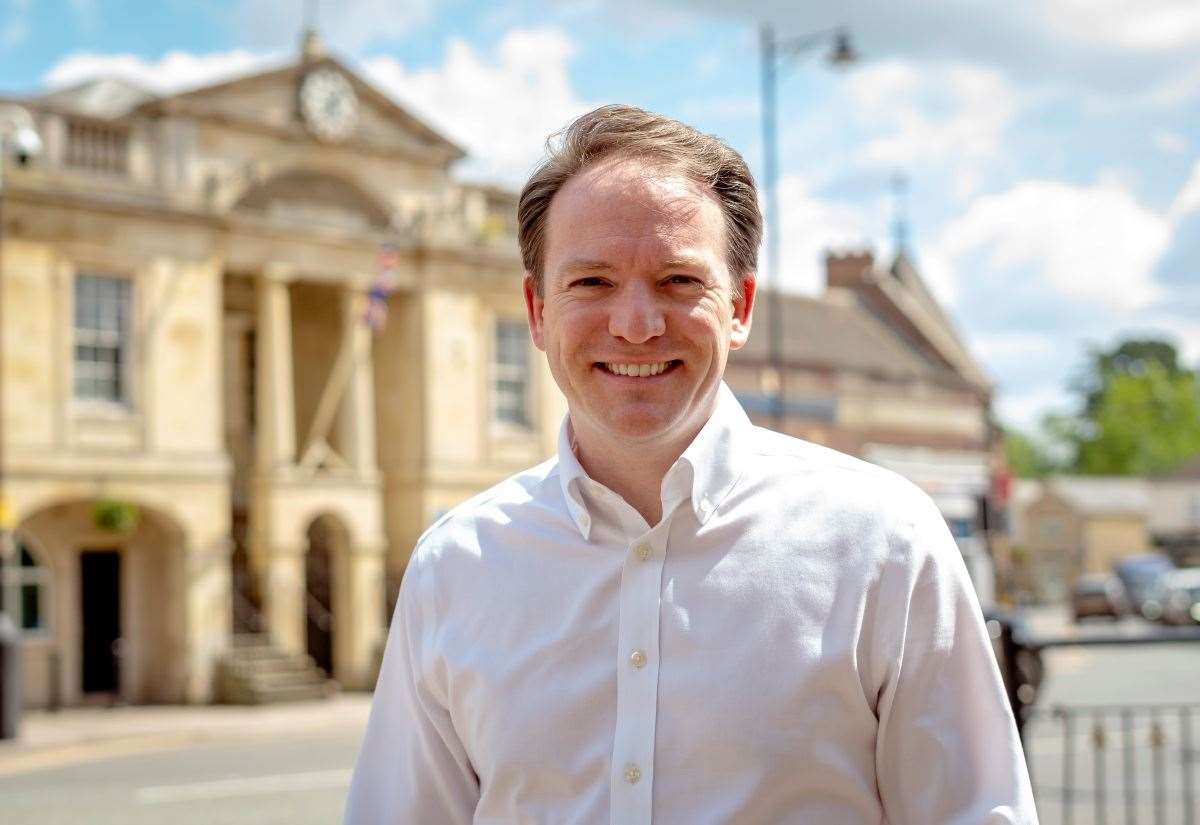
I have been reflecting on an incredibly insightful meeting I attended recently, writes Grantham and Bourne MP Gareth Davies (Con).
Business confidence in Yorkshire has stabilised following a period of decline, according to the latest Business Barometer from Lloyds Bank.
The sale of Abingdon's Abbey Hall to the company running the Abbey Cinema is positive news for the town, according to a council chairman


As economists debate whether Canada's economy has entered technical recession territory, they agree it is struggling with next to no growth due to ongoing U.S. trade tensions and tariffs across several key sectors.
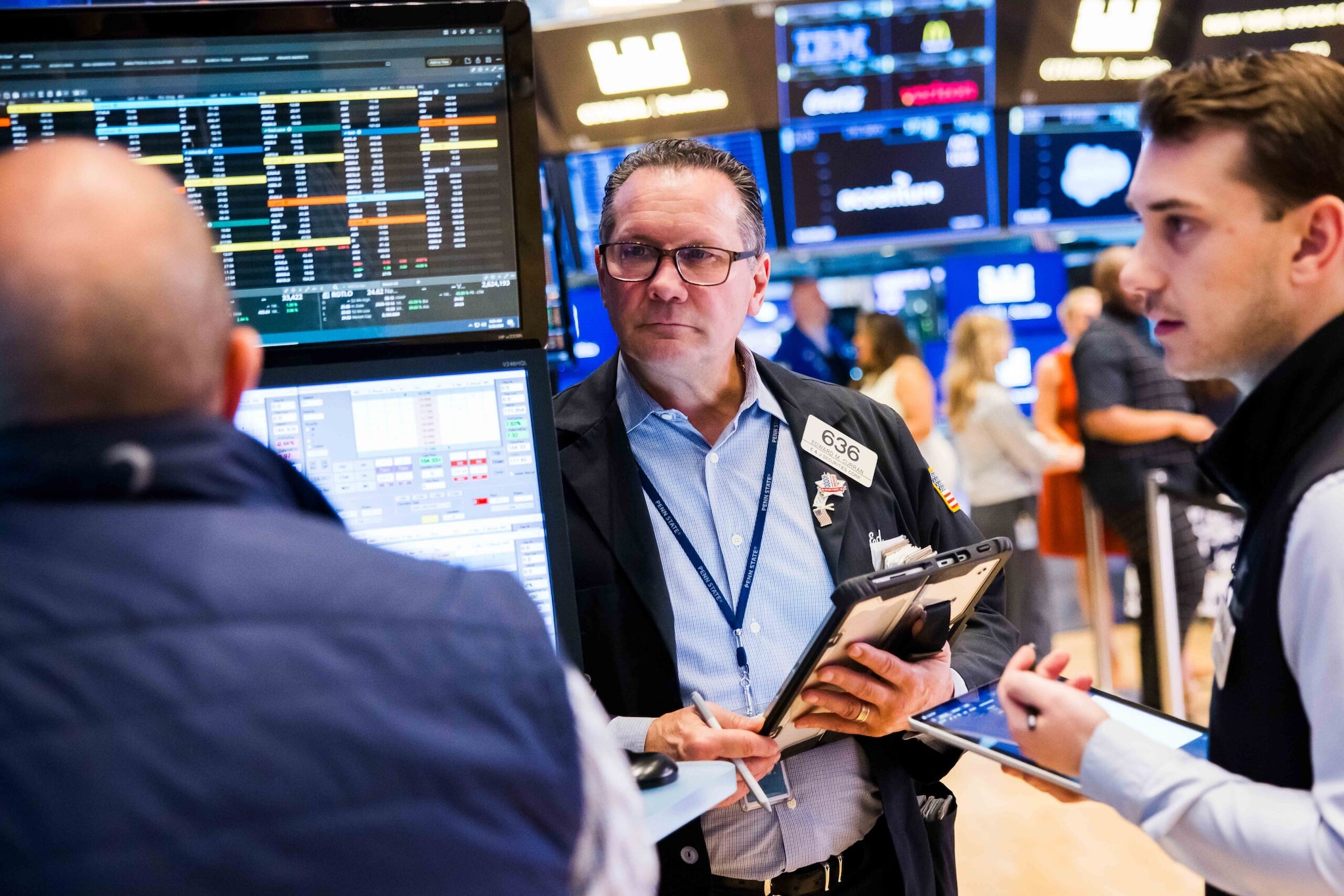
Stocks ended the week higher, boosted by gains in the technology sector and optimism over a ceasefire extension in the West Asia, and all three major market averages scored new intraday and closing records on Friday.