
cnbc12h ago
How to avoid the travel fees quietly inflating your vacation costs
Financial products like airline and hotel credit cards can save you on checked bag and resort fees.
#COMMODITIES
Financial products like airline and hotel credit cards can save you on checked bag and resort fees.

Out of Town Blog Millennials vs Gen Z Moneymaxxing: How Financial Habits Are Evolving Recently, content comparing Millennials and Gen Z has been widespread online, covering topics from work habits and texting to fashion, dating, and grocery shopping. However, one of the most intriguing emerging differences may actually relate to money. Even when both generations face the same daily expenses, they often handle them in very different ways. For [...] Millennials vs Gen Z Moneymaxxing: How Financial Habits Are Evolving Melo Villareal Out of Town Blog

The payments industry has become remarkably good at masking complexity from consumers. But merchants do not operate on the front end. Their concerns live in the back office. And with Revolut on Monday (May 18) unveiling its first physical cryptocurrency debit card, crypto’s next adoption phase as a payment mechanism may be decided by the [...] The post Merchants Eye Back-End Costs as Crypto Cards Push Into Checkout appeared first on PYMNTS.com .
Prediction market traders have placed more than $100 million in combined volume across Polymarket, Kalshi, and Myriad on where bitcoin’s price lands in May 2026 and beyond, with crowd odds pointing to a market stuck below $85,000 for the near term. Traders Put $37M on Bitcoin All-Time High Milestones as $150K Odds Sit at 1% [...]


Bitcoin’s latest selloff has left traders watching whether bulls can defend key support levels and reclaim $80,000.

Bitcoin Depot, the largest crypto ATM operator in North America, filed for Chapter 11 bankruptcy on May 18, citing regulatory pressure that made its business model unsustainable. The filing draws a sharp line between projects built on shifting ground and

Take flight this week, therefore’ll become addressed to a phenomenal give away from 50 100 percent free revolves for only joining! Web based casinos usually want a monetary partnership for free revolves, but no-deposit incentives are a great chance of beginners so you can gain benefit from the experience as opposed to spending-money. Claiming a [...] The post Totally free Revolves No deposit Casinos Canada Incentives to own 2026 appeared first on Caught At Point .
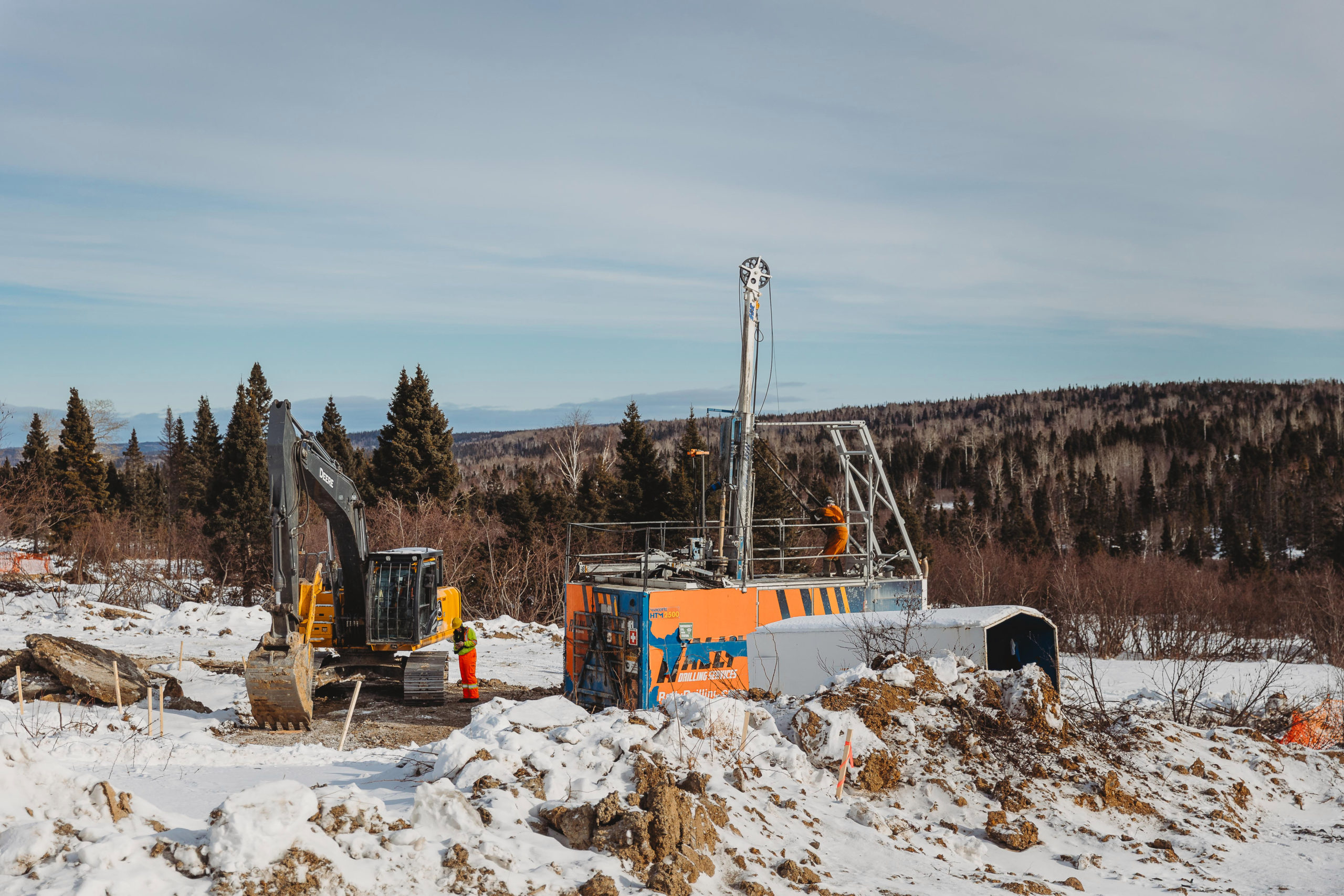
New Found Gold, a Canadian gold producer with projects in Newfoundland and Labrador, is fully funded for phase 1 of its Queensway project, now targeting [...] The post New Found Gold secures $70M loan to advance Queensway appeared first on Canadian Mining Journal .
It’s easy to freeze up or feel ashamed when your income drops, but with mortgages, stalling is the worst thing you can do.
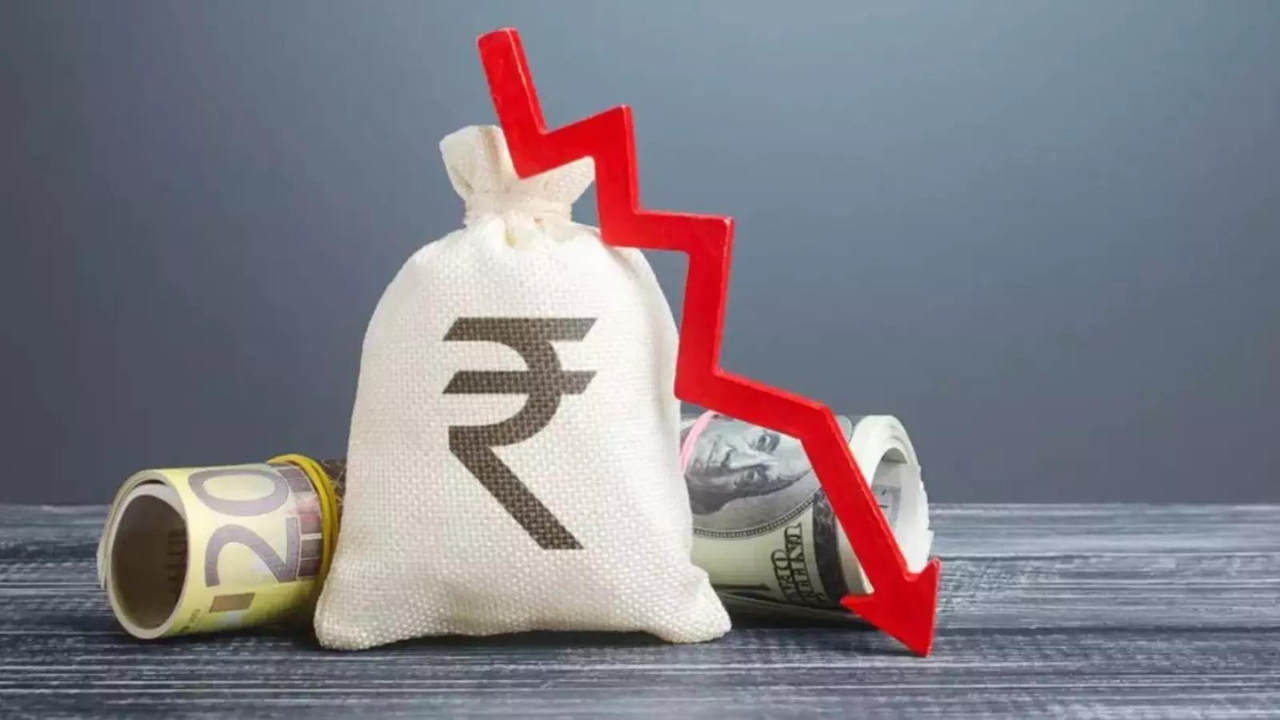
The Indian rupee hit a record low of 96.70 against the US dollar on Tuesday, extending its losing streak to eight sessions. Rising crude oil prices, foreign fund outflows, and a strong dollar due to global risk aversion are key factors. Forex traders also cited supply-chain disruptions. The Reserve Bank of India's intervention and import restrictions might offer some support.
Mumbai, May 19 (PTI) The rupee descended for the eighth consecutive session and ended 50 paise down at its lowest-ever level of 96.70 against the US dollar on Tuesday, weighed down by soaring crude oil prices, persistent foreign capital outflows, and a resilient dollar buoyed by global risk-aversion. Rupee, Asia's worst-performing currency, has lost Rs 2.48 or 2.64 per cent versus the greenback in the past eight sessions since the closing level of 94.22 recorded on May 7. Forex traders attributed the domestic currency's steep fall to rising crude oil prices and global supply chain disruptions due to the closure of the Strait of Hormuz. At the interbank foreign exchange market, the rupee opened at 96.38 against the US dollar and touched the intraday high of 96.27 during the session. At the end of the session, the Indian currency was quoted at its historic low of 96.70 against the dollar, recording a steep fall of 50 paise from its previous closing level. On Monday, the Indian rupee settled at 96.20 against the US dollar. Anuj Choudhary, Research Analyst, Commodities Research, Mirae Asset Sharekhan, said a strong dollar and rising US treasury yields amid the ongoing geopolitical tensions and FII outflows led the rupee to the negative territory. "However, any intervention by the RBI and certain restrictions on the import of gold and silver may support the rupee at lower levels. USD-INR spot price is expected to trade in a range of 96 to 96.60," Choudhary said. Meanwhile, the dollar index, which gauges the greenback's strength against a basket of six currencies, was trading at 99.24, higher by 0.05 per cent due to simmering Iran tensions. Brent crude, the global oil benchmark, was trading down 1.92 per cent at USD 109.95 per barrel in futures trade. Traders said that emerging market economies, including India, continue to feel the pressure of rising crude oil prices, as elevated rates accelerate the outflows of US dollars, along with the withdrawals of funds by foreign portfolio investors. Meanwhile, US President Donald Trump has said he halted fresh strikes on Iran at the request of Qatar, Saudi Arabia and the UAE, asserting that serious discussions were underway with Tehran that could lead to an acceptable deal. Trump said he was asked by Saudi Arabia, Qatar, the UAE and some others if the US could put it off for 2 or 3 days, a short period of time, because they think that they are getting very close to making a deal. On the domestic equity market front, Sensex declined 114.19 points to settle at 75,200.85, while Nifty dipped 31.95 points to 23,618. Foreign Institutional Investors turned net sellers after three sessions of buying and offloaded equities worth Rs 2,457.49 crore on Tuesday, according to exchange data. PTI DRR HVA