afaqs95d ago
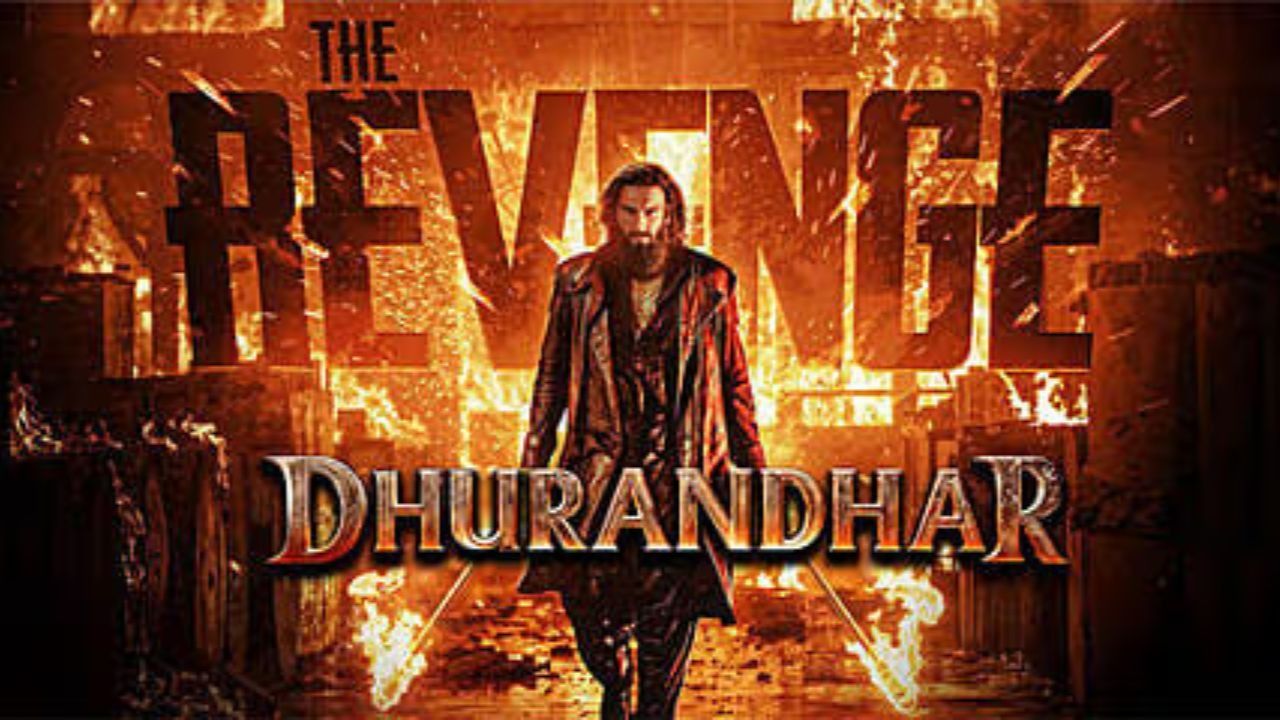
India’s biggest tentpole releases have long drawn advertisers, but Dhurandhar: The Revenge is shaping up to be something else entirely – a film that was monetised even before it hit screens. With over one million advance bookings already recorded by PVR INOX and a multi-language rollout spanning Hindi, Tamil, Telugu, Kannada and Malayalam, the sequel has emerged as a high-certainty, high-impact media moment for brands across categories. “ Dhurandhar: The Revenge shines best on the big screen, with its scale, sound, and emotion fully captured. Overall advance bookings at PVR INOX have crossed one million tickets,” said Gautam Dutta, CEO – growth & revenue at PVR INOX, adding that the response has been strong beyond Hindi markets, with southern regions showing significant traction. From missed opportunity to pre-booked inventory Advertiser interest partly stems from hindsight. The first part was not widely anticipated but turned into a blockbuster, leaving many brands with what industry executives describe as “FOMO”. “The earlier one wasn’t anticipated – it became a blockbuster. This one is eagerly awaited,” explained Siddharth Bhardwaj, CEO – Enterprise Business, UFO Cine Media Network. “Advertisers immediately identify it as a cultural opportunity.” That awareness has translated into early action. UFO Cine Media Network said more than 70 national brands and nearly 400 advertisers across sectors such as FMCG, automobiles, BFSI, construction and technology have already secured ad inventory around the film’s release. Brands including L’Oréal, UltraTech Cement, Mahindra, Samsung, Everest Industries, Adani Wilmar, Hero MotoCorp, Maruti Suzuki, Indriya by Aditya Birla Jewellery, Senco Gold, Emami, and Manyavar are among those advertising across the network. Dutta added, "Automobiles, smartphones, consumer electronics, FMCG, fintech, and fashion showed the most interest in Dhurandhar, targeting the 15 to 35 age group." Tapping into the buzz, AJIO launched an official merchandise collection tied to Dhurandhar: The Revenge . The collection features fan-oriented apparel inspired by the film’s aesthetic, including graphic T-shirts signed by actor Ranveer Singh. Predictability changes the playbook Unlike most film releases, where brands typically adopt a wait-and-watch approach, Dhurandhar 2 has taken a different approach. “When footfall predictability is this high before the film even opens, brands don’t need to wait. They pre-commit,” said Pranay Anthwal, founder of entertainment marketing agency Happy Lion. Anthwal attributes the trend to two factors: the success of the first film and the sequel’s multi-language rollout. Together, they expand the advertiser base beyond Hindi-speaking markets and allow regional brands to piggyback on a national moment. For many, the situation has meant locking in premium inventory well in advance. “Most serious advertisers would have locked their spots 6–8 weeks out. Any brand walking in now would struggle to get premium placement,” he added. According to IMARC Group, the size of the cinema advertising market in India has reached $130 million in 2025. Looking forward, IMARC expects the market to reach $210 million by 2034, exhibiting a growth rate (CAGR) of 5.89% during 2026–2034. Regional targeting and premium placements rise The multi-language release is also reshaping how brands plan cinema campaigns. Advertisers are increasingly requesting language-specific placements, choosing Tamil or Telugu prints over Hindi to align with regional market priorities. At the same time, there is a growing push for high-impact slots, particularly those immediately preceding the film or during peak intermission windows. “Advertisers are seeking high-impact slots immediately preceding the film or during the peak of the intermission to maximise recall,” said Dutta. Anthwal added that some brands are even negotiating to place their ads right after the film’s trailer – a level of placement specificity not common for routine releases. (L-R) Gautam Dutta, Siddharth Bhardwaj, Pranay Anthwal Longer formats, bigger bets The scale and emotional tone of the film are also encouraging brands to rethink creative formats. “Cinema is a great medium to tell stories; brands are starting to create customised, longer-duration campaigns,” said Bhardwaj, noting that 60- to 70-second and even multi-minute creatives are becoming more common with annual commitments. Anthwal echoed this shift, particularly among FMCG, jewellery and BFSI brands, which are opting for longer formats to align with the film’s themes of patriotism and aspiration. Despite the surge in on-screen advertising, Dhurandhar: The Revenge offers little to no scope for in-film brand integrations. Much like its predecessor, the film’s narrative – rooted in espionage, nationalism and high-stakes action – leaves limited room for organic product placements. The first instalment saw virtually no in-movie brand visibility, and the sequel is expected to follow suit, pushing advertisers to rely almost entirely on pre-show and intermission slots to capture audience attention. A trigger for annual cinema deals Beyond the immediate release, the film is also acting as a catalyst for longer-term advertising commitments. Cinema advertising, which traditionally operated on annual deals pre-COVID, saw a slowdown as film pipelines became uncertain. Bhardwaj believes the current release could help revive those structures. “This will serve as a good trigger to initiate annual deals on cinema,” he said, pointing out that the film’s timing at the end of the financial year coincides with budget allocation cycles for advertisers. Brands committing to Dhurandhar 2 are also being pitched a full-year slate of upcoming releases, including Ramayana , Toxic , Galwan , and King , encouraging them to lock in multiple campaigns across the calendar. Managing demand without overwhelming viewers With demand for ad inventory surging, exhibitors are also navigating the balance between monetisation and viewer experience. “Our primary focus is always to maintain the sanctity and flow of the cinematic experience,” said Dutta. “We do not see a requirement for a double intermission; we optimise the pre-show and the standard intermission to accommodate partners without compromising the immersive journey.” Anthwal cautioned against overloading blockbusters with ads, noting that “over-monetising a blockbuster can poison long-term audience trust". The intermission, however, remains the most valuable slot. As Anthwal put it, “A 60-second spot at intermission on a Friday evening show is arguably the most premium ad unit in Indian media.” Exhibitors are also experimenting with shorter ad loads in premium auditoriums and more cinematic branded content formats to reduce fatigue. Content remains the key driver Industry executives agree that the surge in advertising interest is rooted in one factor: content. “If the recipe is right, nothing stops audiences from coming to theatres,” Bhardwaj said, comparing the experience to concerts where consumers overlook discomfort for compelling performances. Industry executives expect the film to set records both in terms of advertiser participation and overall cinema ad revenue – potentially matching or surpassing benchmarks set by films like KGF , Pushpa , Kantara and Baahubali .