
investing_au59d ago
VINCI Q1 2026 slides: record order book offsets mixed revenue performance
VINCI Q1 2026 slides: record order book offsets mixed revenue performance
#FOREX
VINCI Q1 2026 slides: record order book offsets mixed revenue performance
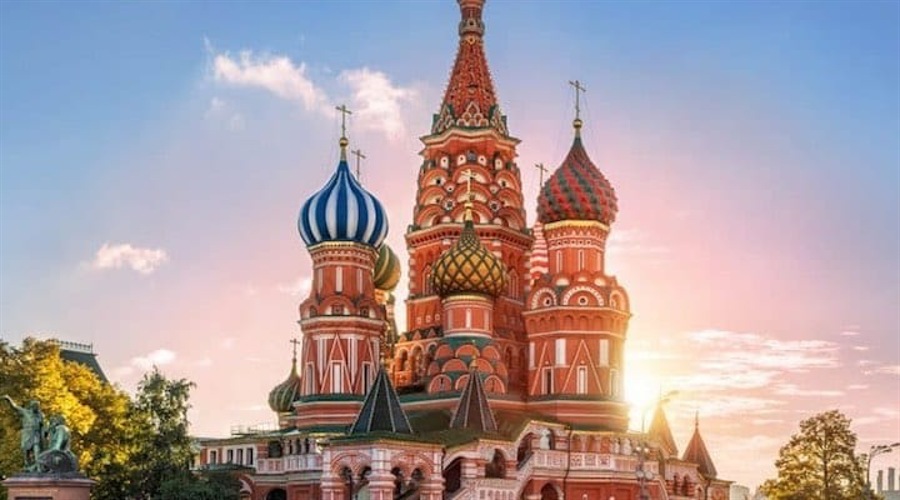
A major Russian brokerage group has expanded its retail trading offering by integrating contract-for-difference (CFD) trading directly into its primary investment platform, allowing clients to access global markets without switching applications. Singapore Summit: Meet the largest APAC brokers you know (and those you still don't!) BCS Company LLC, part of the BrokerCreditService financial group, has launched CFD trading within its “BCS World of Investments” app. The feature is currently available on Android devices, with iOS support expected at a later stage. In-App CFD Access The update eliminates the need for qualified investor status, enabling broader access to CFDs. Clients can trade instruments linked to international markets without opening a separate account or using another app. According to the firm, “BCS clients no longer need a separate app to work with CFDs, they can trade directly on the BCS World of Investments digital platform.” You may also like: Russia Postpones Telegram and YouTube Ad Ban, Easing Pressure on Online Marketing The move signals that regulated Russian brokers continue to shift more complex products like CFDs into mainstream retail channels, which may increase competition with offshore providers and concentrate more trading activity on domestic infrastructure. Besides that, the broker also allows users to open accounts in multiple currencies, including rubles, US dollars, euros, yuan, and UAE dirhams. Product Range and Trading Conditions The offering includes more than 100 CFDs on shares of major international companies, as well as instruments linked to the S&P 500 index and popular exchange-traded funds. Traders can take positions based on both upward and downward price movements. BCS stated that “this instrument offers extensive opportunities for portfolio diversification,” highlighting its use across different market strategies. The company has set leverage at up to 1:2, with trading conducted via the MetaTrader 5 platform. The minimum trade size is one share, and no minimum deposit is required. Russia’s retail forex market is setting new volume records in 2026, but the growth story is dominated by a single player rather than a broad competitive field. Record FX Boom, but One Broker Dominates Russia's regulated forex market posted a record quarterly trading volume of $68.6 billion in Q1 2026 , but more than 90 percent of that flow came from clients of a single licensed dealer, Alfa-Forex, leaving the rest of the market split between two much smaller competitors and a long tail of largely inactive accounts. Meanwhile, SPB Exchange is preparing to launch a new class of perpetual derivatives called “Neo-Assets,” designed to mirror how Russian retail traders use offshore CFDs and perpetual swaps while keeping all trading and settlement onshore. The contracts are perpetual and cash-settled in rubles, support margin trading, and charge no intraday fees, with costs applying only to overnight positions. At launch, the lineup will cover U.S. equities such as Tesla and Amazon, as well as crypto-linked indices based on Bitcoin and Ethereum, with the latter restricted to qualified investors. This article was written by Jared Kirui at www.financemagnates.com.

BitcoinWorld USD Benchmarks Shift: How Statecraft Reshapes FX Markets – Rabobank Analysis USD benchmarks are undergoing a fundamental transformation as statecraft increasingly reshapes FX markets. Rabobank analysts now highlight that geopolitical strategy, not just economic data, drives currency valuations. This shift forces traders and investors to rethink traditional forex models. The global currency landscape is evolving rapidly, and understanding these changes is critical for market participants. USD [...] This post USD Benchmarks Shift: How Statecraft Reshapes FX Markets – Rabobank Analysis first appeared on BitcoinWorld .
Price movement does not always need a major trigger. Sometimes the market moves quietly, driven by retail activity and short-term sentiment shifts. This approach really shows how the next big crypto presale (https://tradeview.com/) platforms are being built around interaction rather

Germany's five largest automakers now hold barely more than one percent of China's electric vehicle market, a record low
The regulatory relief recently announced by monetary authorities is essential; it stabilizes borrowers’ loan repayment schedules and prevents a sharp uptick in banks' non-performing loans (NPLs). This regulatory respite is a necessary support mechanism that helps stabilize banks’ balance sheets amidst looming defaults triggered by business slowdowns and skyrocketing energy costs. Yes, Virginia, managing inflation and energy-related disruptions is front and center of this relief. It is focused and aimed at specific, declared affected areas and industries, such as the agricultural sector. By comparison, these measures are not on par with the universal relief provided during the pandemic under the Bayanihan laws, which included mandatory loan repayment deferrals for all borrowers. Basically, this regulatory relief could be viewed as an order from the Bangko Sentral ng Pilipinas (BSP) for banks and financial institutions to absorb some of the borrowers’”financial pain. However, the absorptive capacity of these institutions depends largely on their individual standing or industry classification. While the industry welcomes the relief, the latest word from the banking corridors is that the Chamber of Thrift Banks (CTB) may seek a standalone relief measure for its 54 members and 1,200 branches nationwide. The CTB leadership plans to request that the BSP temporarily reduce the Minimum Liquidity Ratio (MLR) for its members and cooperative banks to beef up their liquidity positions. As a financial matrix, the MLR is a mandatory buffer ensuring that banks and financial institutions hold enough liquid assets to withstand potential shocks. The plan is to request a reduction in the MLR to 16 percent from the current 20 percent—a move the monetary authorities previously granted alongside interest rate cuts to cushion the financial stress of the pandemic. While this may not sit well with their "big brothers"—the universal and commercial banks with massive capital bases—temporarily lowering the MLR for CTB members will soften the impact of potential loan defaults, particularly for those operating in the countryside. The financial system remains under “continuing stress.” It began with the floodgate scandal, which caused government agencies to defer settlement of obligations to contractors and suppliers. This, in turn, prevented those businesses from meeting their repayment schedules with banks. One industry player shared that a number of government agencies have failed to meet their outstanding payables since the floodgate mess erupted in August last year. As a result, NPL levels at some banks have started climbing. As the source put it: “Contractors and suppliers with bank lines are still unable to pay up.” This is the same path the BSP took at the height of the pandemic. To prevent the domestic economy from reaching a virtual standstill, authorities reduced the MLR for smaller financial institutions and cut the Reserve Requirement Ratio (RRR) for large banks to ensure sufficient liquidity. The lowered MLR, part of that broader relief package, prevented financial constraints for smaller banks. Data showed these measures effectively injected over ₱1.9 trillion in liquidity into the system—approximately 9.6 percent of the country’s 2019 nominal gross domestic product. Looking back, the sector remained well-capitalized enough to withstand the pandemic shock, even amidst a 32.8 percent year-on-year drop in overall banking net profits for 2020. Let’s see how this plays out. Talk back to me at sionil731@gmail.com
The United Nations Development Programme (UNDP), has signed a Joint Statement of Intent with the Islamic Corporation for the Development of the Private Sector (ICD) ( https://ICD-PS.org ) and the Islamic Corporation for the Insurance of Investment and Export Credit (ICIEC) —both members of the Islamic Development Bank (IsDB) Group—introducing a new blended finance structure that leverages credit insurance to catalyze private investment in climate-smart sectors. This partnership will unlock capital for green small and medium-sized enterprises (SMEs) and support national efforts to achieve climate and sustainable development goals across the Arab States region. It will support financing across a broad range of sustainability-related areas, including climate change mitigation and energy transition, climate adaptation and resilience, sustainable water usage and governance, circular economy and management, sustainable agriculture and food systems and other green finance sectors. “Across our region, SMEs are the backbone of economies and helping them grow and innovate is critical to strengthening economic resilience and climate ambition,” said Abdallah Al Dardari, UN Assistant Secretary General and Director of UNDP’s Regional Bureau for Arab States. “Through this new partnership we will work closely with regional financial institutions to expand SMEs access to green finance, to accelerate inclusive, climate-resilient development in line with UNDP’s flagship Green Finance Platform.” In countries benefiting from the new partnership, ICD will provide financing facilities to partner banks and financial institutions while ICIEC will offer comprehensive credit insurance and risk-sharing solutions to encourage financial institutions to expand financing to green sectors, in addition to leveraging reinsurance partnerships to enhance the facility’s capacity and long-term sustainability. "By uniting ICIEC's risk mitigation, ICD's financing, and UNDP's development network, we are creating a scalable engine for green private sector growth,” stressed Mohammad Asheque Moyeed, Acting Director, Banking Department at ICD. “This partnership is our shared commitment to building a more inclusive and sustainable future for SMEs across our member countries." "Our role in this partnership is to unlock capital for the SMEs driving a greener, more diversified economy,” explained Yasser Alaki, Director of Business Development, ICIEC. “Through our credit insurance solutions, ICIEC provides the essential risk assurance that enables financial institutions to confidently channel financing toward this vital growth sector." Serving as a convener of the partnership, UNDP will facilitate linkages between financial institutions and SMEs engaged in its programmes and will coordinate joint efforts to mobilize resources to lower the cost of risk-sharing mechanisms. Distributed by APO Group on behalf of Islamic Corporation for the Development of the Private Sector (ICD). Media Contacts: Islamic Corporation for the Development of the Private Sector (ICD) Nabil Al-Alami Manager, Communication&Corporate Marketing Email: nalami@isdb.org United Nations Development Programme (UNDP) Ahmed Bazzoum | Communications Analyst Email: ahmed.bazzoum@undp.org Follow UNDP at: @UNDP ( https://apo-opa.co/3QFj0qu ) Follow ICIEC on: X: http://apo-opa.co/4eE75mP Facebook: https://apo-opa.co/3QUV2Ym LinkedIn: http://apo-opa.co/4ct7Y05 YouTube: http://apo-opa.co/4cMsqId Instagram: https://apo-opa.co/4vNHFJG About the Islamic Corporation for the Development of the Private Sector (ICD): The Islamic Corporation for the Development of the Private Sector (ICD) is a multilateral development financial institution that supports the economic development of its member countries. ICD is a member of the Islamic Development Bank (IsDB) Group with an authorized capital of $4 billion, ICD’s shareholders include the IsDB, 56 member countries, and five public financial institutions. ICD’s mandate is to provide financing for private sector projects in member countries, promote competition and entrepreneurship, and encourage cross border investments. ICD focuses on financing projects that contribute to economic development, including job creation, the development of Islamic finance, and export growth. ICD is rated ‘A2’ by Moody’s, ‘A+’ by Fitch, and ‘A’ by S&P. For More Information, visit: https://ICD-PS.org About The Islamic Corporation for the Insurance of Investment and Export Credit (ICIEC): As a member of the Islamic Development Bank (IsDB) Group, ICIEC commenced operations in 1994 to strengthen economic relations between OIC Member States and promote intra-OIC trade and investment by providing credit enhancement and risk mitigation solutions. The Corporation is the only Islamic multilateral insurer in the world and has been at the forefront of delivering a comprehensive suite of de-risking solutions to support cross-border trade and investment for its 50 Member States. ICIEC has maintained its "Aa3" rating with a stable outlook from Moody's for 18 consecutive years, positioning the Corporation among the leaders in the Credit and Political Risk Insurance (CPRI) industry. Additionally, S&P has reaffirmed ICIEC’s “AA-” rating for the second year with a stable outlook. ICIEC's resilience is underpinned by its sound underwriting practices, global reinsurance network, and strong risk management framework. Since inception, ICIEC has cumulatively insured over USD 139 billion in trade and investment, supporting key sectors such as energy, manufacturing, infrastructure, healthcare, and agriculture in its member states. Visit: http://ICIEC.IsDB.org About UNDP: UNDP is the leading United Nations organization fighting to end the injustice of poverty, inequality, and climate change. Working with our broad network of experts and partners in 170 countries, we help nations to build integrated, lasting solutions for people and planet. Learn more at www.UNDP.org
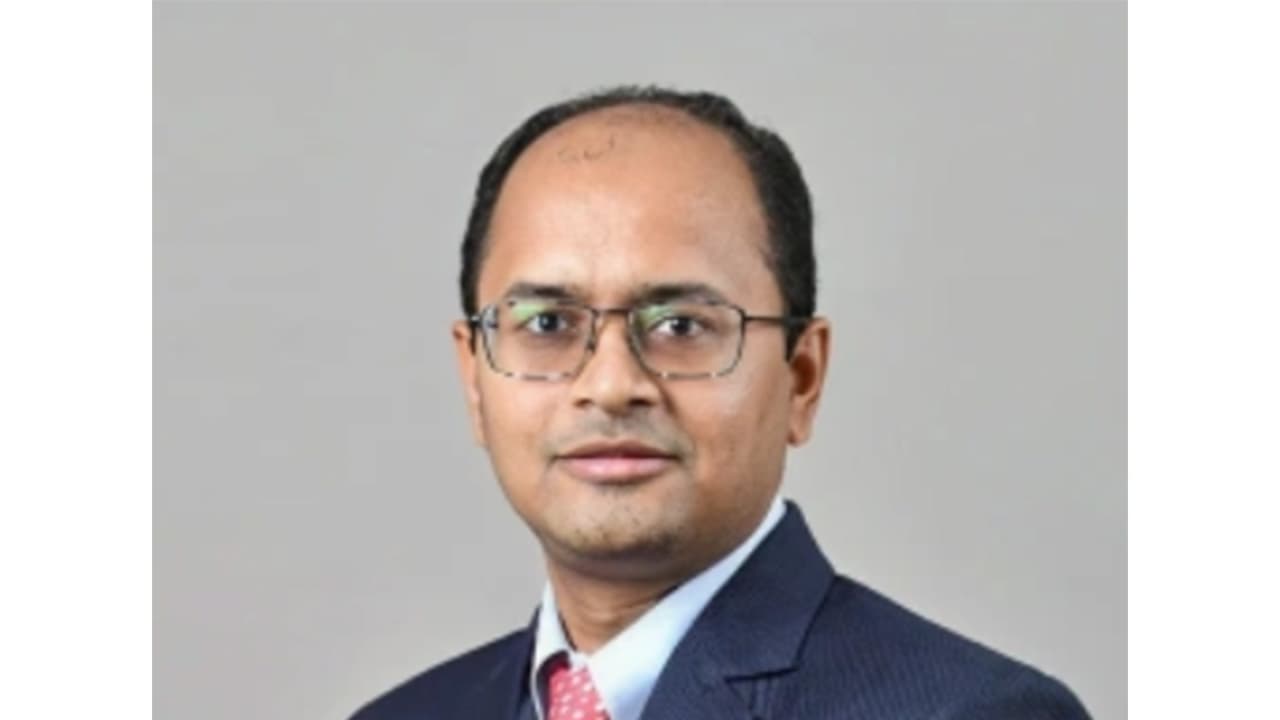
Banks are adopting a 'wait and watch' approach on macroeconomic risks amid geopolitical uncertainty, says Axis Bank's Sameer Shetty. The outlook for credit and deposit growth depends on how the situation in West Asia evolves, he added.
Google adds view-through conversion optimization to Demand Gen and expands Commerce Media Suite support. The post Google Adds View-Through Conversion Optimization To Demand Gen appeared first on Search Engine Journal .

Picking the right headphones for the right situation is key. For everyday use, exercising and lengthy listening time, three is the perfect number for a headphones collection. Here are my picks.
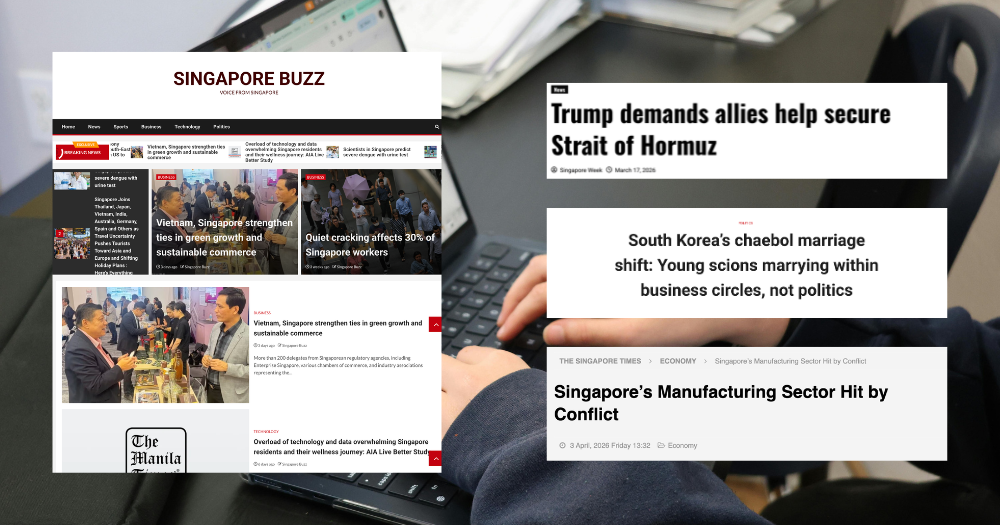
Public access to the six websites will be disabled under the Broadcasting Act.

The Apple Music Classical iPhone app is specifically designed as a great experience for browsing and listening to instrumental music. (via Cult of Mac - Your source for the latest Apple news, rumors, analysis, reviews, how-tos and deals. )