brecorderhace 31d
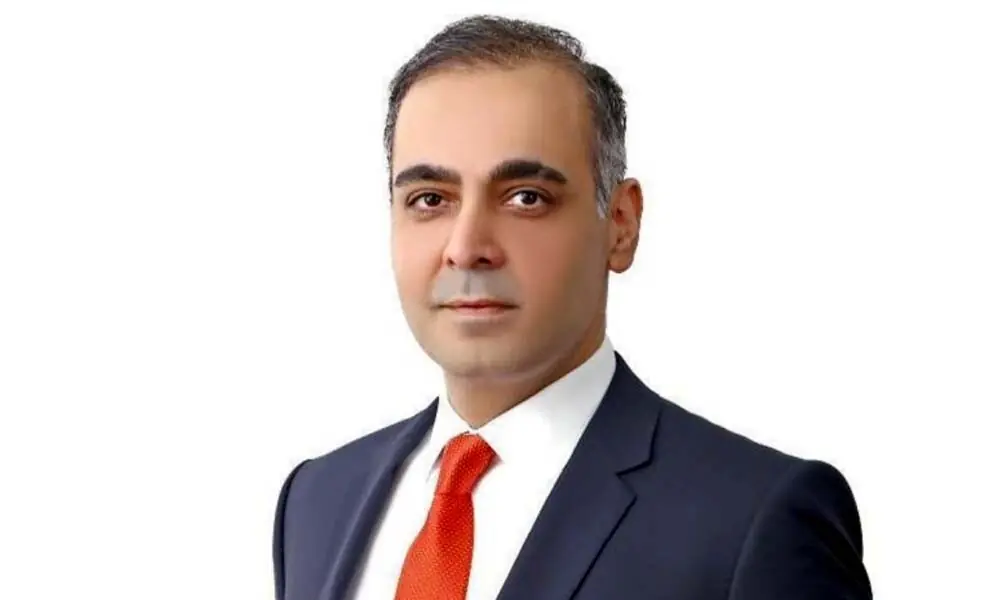
Jahanzeb Khan is the CEO of easypaisa Digital Bank and one of the leading voices in Pakistan’s digital finance transformation. He is actively involved in Pakistan’s National Cashless Economy agenda and has led easypaisa through one of the region’s most notable fintech growth stories. His experience spans global financial institutions and technology-led transformation,including leadership roles in digital finance and fintech at JPMorgan Chase and Deloitte. He has also worked on AI-based nano-lending, blockchain-enabled cross-border remittances and data-driven digital financial products. Recognized globally through awards and nominations such as Innovation in Payments, the Emerging Payments Award and GSMA Glomo, Jahanzeb continues to champion profitable, technology-led banking models that combine shareholder value with broader financial inclusion. Following are the edited excerpts of a recent conversation BR Research had with him: BR Research (BRR) : Pakistan’s cashless economy agenda has been around for over a decade. But with the SBP’s digital bank licensing framework, the PM’s Cashless Pakistan initiative and rising smartphone penetration, 2025 appears to be a real inflection point. What has changed this time that makes the moment different from previous attempts? Jahanzeb Khan (JK): Pakistan’s digital banking shift is being driven by a combination of progressive regulatory support, smarter policy making decisions and most importantly changing consumer behavior. Recently, policy makers, regulator and the private sector have been aligned on critical national level KPIs and have worked in cohesion on a shared cashless economy agenda focused on transparency via digital and financial inclusion. The introduction of digital banking licenses by the regulator in 2023 has accelerated innovation beyond P2P payments. easypaisa digital bank is the first one to launch commercial operations followed by two other players backed by international investors that will help increase speed of innovation and digitized service offerings for the masses. Pakistan’s retail economy has long been cash-driven. The Cashless Pakistan initiative now aims to bring 2 million QR-enabled merchants into the digital ecosystem. For the first time, policymakers are helping the private sector share the cost of onboarding micro-retailers. The early signs are encouraging, with QR transaction throughput reaching nearly Rs28 billion last month. The next step is to sustain this push through smarter incentives, stronger merchant and consumer value propositions, and policies that make cash costlier than digital payments to reduce currency in circulation and improve financial transparency. The Prime Minister has also set targets of 120 million accounts and 100 percent overseas remittances through bank accounts or mobile wallets, up from 80 percent, to reduce cash reliance and improve transparency. This reflects a broader push to move beyond basic payments and bring remittances, cross-border transactions, and freelance payments into the formal economy. easypaisa digital bank is playing a key role in this shift, with over 25% share of electronic and digital banking transactions, more than 60 million registered account holders, and the largest mobile banking app user base in Pakistan. BRR: Given your experience across mature digital payment markets in North America and Asia, how do you assess Pakistan’s digital finance journey? Where is the country ahead, and where do the structural gaps remain? JK: Having spent over 20 years at JPMorgan Chase & Co. in multiple global roles, working in digital banking across North America and Asia with the largest fintech player- Ant Group, I believe this is the pivotal moment for Pakistan to accelerate digital banking adoption and move beyond payments. Pakistan has made strong progress in mobile payments and financial access, particularly among underserved segments. However, cash is still dominant in multiple areas-challenges remain around user trust, digital literacy, fraud prevention, and broader adoption of digital financial services beyond payments. It is critically important for digital banking institutions to invest in technology and embrace AI solutions to gain the trust of the customers. We at easypaisa have already deployed industry first AI based customer experience solution in our app and are utilizing multiple machine learning and AI based tools to enable us with more informed insights based on customer behavior data. There remains opportunity in the industry to improve customer experience and inject smarter tools to detect anomalous transactional behavior and protect our customers. A thriving private sector is also critical to the success of the overall ecosystem. In the last couple of years, easypaisa team has been able to position to be long term sustainable with phenomenal and 7x earnings growth in PBT YOY. These earnings have boosted the confidence of our shareholders and many others in the industry and overseas about the upside potential of digital banking in Pakistan. A longer-term vision with steadfast management and patient investors will be critical in Pakistan for the overall growth of digital ecosystem. The encouraging part is that global players see strong long-term potential in Pakistan especially in our growing youth bulge. With geopolitical stability and certainty in policy making, continued investment in technology and infrastructure, the country can accelerate toward financial inclusion. BRR: What does easypaisa’s transition from a mobile wallet to a full digital bank mean for the everyday Pakistani customer? JK: Becoming Pakistan’s first digital retail bank was a major milestone for easypaisa and the country’s digital banking ecosystem. It allows us to move beyond payments and offer a wider range of services including savings, lending, insurance, wealth management, international remittances, and foreign currency accounts. We have more than 4 million customers who have now graduated from basic payments to investing with us. This shows the confidence of our client base to trust easypaisa with their hard-earned incomes in a very short duration since our inception as a digital bank. For customers, digital bank means easier access to banking services directly from their phones without needing to visit a physical branch. It also allows users to access higher transaction limits, better savings options, and financial protection products within one ecosystem. At the same time, we continue investing in technology, AI-driven customer support, and stronger fraud controls to deliver a seamless and secure banking experience and gain trust of the customer. Just like easypaisa has democratized the domestic payments, we as a digital bank will seek to provide cross border remittance and FX solutions in the long run for our customers. As a digital bank, we will be moving from a historical mass segment approach to a segmented approach with products and services catered to multiple segments of our society. With the entry of five digital banks, consumers will have plenty of more choices available at their fingertips that they traditionally had access to. BRR: As Raast makes payments and interoperability less of a differentiator, where does easypaisa build its real moat — customer experience, merchant ecosystem, credit, data, or something else? JK: Raast has created the national real time payment rails that have helped take us to near real time settlements. Differentiation will now come from customer experience, trust, and accessibility. At easypaisa, our focus is on delivering seamless, secure, and always-available financial services for all Pakistanis, particularly underserved communities. What strengthens our moat is the combination of a digital-first platform with a nationwide network of 245,000+ retail agents, serving more than 5 billion transactions and throughput of more than Rs16 trillion annually in 2025 and growing, giving customers both digital convenience and physical reassurance. As the largest billing platform in the country and holding a majority share of the mobile top ups in Pakistan, easypaisa already services high frequency use cases for the masses. With recent launch of digital Term Deposit solution, we have now enabled millions to invest in their future with the click on the easypaisa app. Our insurance marketplace offers more than 50 different products enabling our customers to protect them in times of needs as well. This ecosystem is unmatched in the industry whereby payments now have almost become a commodity. With scale comes responsibility- we have introduced AI-driven customer support through tools like our chatbot “ello” to improve response times and customer engagement at scale. Ultimately, our strength lies in combining technology, accessibility, and trust. Success will be determined by stability, trust and ultimately the bouquet of personalized services that financial institutions can enable over and above commoditized payments. BRR: How can Pakistan close the gap between financial access and active usage, especially for women and rural users who may have accounts but rarely transact digitally? JK: Pakistan’s financial inclusion has crossed 67 percent, but active usage remains the real challenge, especially among women and rural communities. Female inclusion still stands at only 47 percent, representing a major opportunity for growth. The key is reducing friction in onboarding, simplifying digital account opening, and giving users practical reasons to transact digitally. A large portion of retail payments has remained heavily cash driven to date. Regulatory improvements by SBP around simplified onboarding and faster account approvals will help accelerate this shift and enable more women to participate within the formal economy. Digitization of the merchant ecosystem will enable additional use cases for customers as well. As the industry scales, it will become critical to provide stability in our tech platforms so consumers in rural areas feel confidence to not only transact with our platforms but have the utmost confidence and trust. Improved mobile data coverage is a foundational requirement. Recent 5G auction will provide impetus in the telecom sector to improve their quality of service. Gaining trust of the customers in digital services requires a concerted effort by the public and private sectors to continue to strengthen fraud and risk platforms and move towards strengthened e-KYC and e-KYB mechanisms. As trust in our platforms increase, rural population will start to adopt digital means as well with higher smart phone penetration. At easypaisa, we are focused on driving usage through savings, lending, and wealth management products while continuing to expand access for underserved communities. BRR: How do you shift consumer behaviour from cash to digital at scale, especially among merchants, women and daily wage earners who may distrust formal systems? JK: Cash remains deeply embedded in Pakistan’s economy, with cash in circulation reaching Rs10.6 trillion and a large undocumented economy still reliant on cash transactions. A significant share of Pakistan’s transactions is still cash-based, contributing to an undocumented economy estimated at 40 percent of GDP. Digitizing even a portion of these transactions could generate savings of Rs164 billion annually, while reducing the undocumented economy by 25 percent has the potential to unlock trillions in national savings. Driving behavioral change requires accessibility, trust, and awareness. Investing in smarter solutions will be required to gain such trust at scale. easypaisa’s branchless banking model, supported by over 245,000 agents nationwide, helps underserved communities access digital financial services even in remote areas. Government-backed programmes like BISP, the PM Ramazan Package, and recent fuel subsidy initiatives have also played an important role by distributing financial assistance digitally instead of through cash, helping build familiarity and trust in digital finance. Governments push to enable all G2G payments to digital means will also move the needle heavily towards transparency. BRR: How realistic is easypaisa’s ambition to become a primary platform for remittances, freelancers and cross-border payments, and what will it take to shift more flows from informal channels to the formal digital economy? JK: Remittances play a significant role in supporting Pakistan’s current account by stimulating economic activity and supplementing the disposable incomes of remittance-dependent households. Pakistan remittances are expected. Given the challenges that include the high cost of remittances and a time-consuming process when it comes to receiving remittances. It is estimated that approximately 26-30 percent of remittance inflows from the Arab corridors to Pakistan are through Informal (hawala) channels, which are considered a low-cost and high-convenience alternative to official channels. There is a need to establish stronger app to app, completely digital cross border solutions, in high traffic corridors to enable ease with simplicity for sending and receiving sides. Pakistan is already ranked among the world’s top five freelancing markets, with more than 2.3 million active freelancers contributing to digital exports and employment, with the potential to reach $1 billion in terms of revenue, given the support. However, the lack of reliable international payment gateways severely limits their potential to scale up their businesses and operations. Pakistan is also among the world’s largest freelancing markets, but limited access to efficient international payment solutions remains a challenge. Through partnerships with Ant International that already processes over $300 billion in international payment and our recent collaboration with WorldFirst, easypaisa will provide faster, lower-cost cross-border payment and remittance solutions directly into digital wallets, reducing reliance on informal channels and improving financial transparency. BRR: As digital finance shifts from wallet downloads to active usage, what are the biggest bottlenecks easypaisa faces in scaling everyday merchant payments beyond major cities? JK: Merchant acceptance remains a key bottleneck in scaling digital payments in Pakistan, as very few banks actively serve merchants through dedicated digital payment solutions. While wallet downloads show progress, true scale depends on expanding acceptance across everyday businesses. Under the Government’s Cashless Pakistan initiative, the target is to increase monthly active QR merchants from 500,000 to 2 million by June 2026, supported by Rs3.5 billion subsidy for merchant onboarding and QR payments, as well as the removal of the Merchant Discount Rate (MDR) floor. However, adoption challenges persist, particularly beyond Tier-1 and Tier-2 cities, where merchants face limited awareness and concerns around usability and value. Currently, only around 159,000 merchants are POS-enabled, leaving most small and informal businesses outside the digital ecosystem. Thereby low cost more affordable QR code solutions become important for the larger ecosystem. While Nadra has done a phenomenal job at providing us a unifying eKYC, we still lack at completeness of eKYB information available nationally. Majority of the long tail merchants have not registered their businesses, making the cost of acquisition extremely high for the private sector. At easypaisa, we are working closely with the Government of Pakistan and the State Bank of Pakistan to expand QR-based payments by simplifying onboarding, improving awareness, and strengthening merchant value propositions. We are investing billions in this space for the national cause of digitizing the merchant footprint. BRR: How do you make digital banking simple and accessible for first-time users while keeping it secure against cybersecurity risks and consumer fraud? JK: Digital banks are driving disruption in Pakistan, but mass adoption among first-time users still depends on building trust, awareness, and protection against fraud. With cybersecurity scams costing Pakistan an estimated $9.3 billion annually, balancing security with convenience is critical. At easypaisa, we follow a “Trust by Design” and “Privacy by Design” approach, building security, privacy, and ethical data use into products from the start. The focus is on balancing convenience with protection through seamless user experiences, OTPs, biometric verification, liveness detection, and stronger KYC/KYB processes. These controls have kept our fraud ratio extremely low. However, scams remain a serious industry-wide challenge, as many customers are tricked into sharing private information that enables account takeover. Continued public-private investment in customer education is therefore critical to building trust and safe digital adoption. At easypaisa, we recognize that financial data is among the most sensitive information an individual can share. We will continue to educate our customers and protect them. As we expand our offerings from payments to microcredit, insurance, and beyond, our commitment to data privacy, security, and ethical data use remains unwavering. BRR: What two or three policy interventions would most accelerate Pakistan’s shift to a cashless economy, and where does the role of government end and the private sector begin? JK: Going forward, policy interventions that make cash transactions more expensive than digital transactions will be critical in accelerating digital financial inclusion and fostering a more transparent economy. This will also help reduce case in circulation in the long run. Credit is due to policymakers and regulators who have taken proactive steps to implement policies that support the adoption of digital banking in Pakistan. A major recent milestone has been the establishment of the Pakistan Virtual Assets Regulatory Authority (PVARA) and the introduction of the Virtual Assets Act 2026, creating the country’s first formal legal framework for crypto and digital asset ecosystems. This will enable safer, regulated digital investment avenues in the long run. Mobile data access with improved quality of service is a foundational requirement in these times. Ministry of IT and Telecom is working closely on this critical goal with private sector players to improve the coverage and quality of data services to the masses. Recent successful 5G auction will go long ways to improve much needed bandwidth presence for millions. At easypaisa, 31 percent of more than 60 million registered users are women. One key gap remains the low level of female representation in digital wallets and accounts. This continues to be an underpenetrated area, with only 47 percent of women in Pakistan financially included. This is something that requires regulatory and governmental intervention/incentivization to ensure we can bring more women to participate within the formal economy. BRR: As Pakistan’s digital finance market gets more crowded and policy support for a cashless economy strengthens, does the bigger challenge for easypaisa become customer acquisition or monetization? JK: Pakistan still has millions of unbanked and underbanked individuals, 5 million youth entering workforce age every year, with an average age of only 21 years, there is plenty of opportunity to acquire. Yet millions remain unbanked - making this one of the largest untapped growth segments in the market. With a national target of 75percent under the Financial Inclusion Strategy 2024–28, this is both a policy priority and a commercial opportunity. At easypaisa, the strategy is to move customers beyond payments into savings, lending, remittances, and wealth management products over time. High-frequency usage helps deepen engagement and create long-term value for both customers and the business. As payments become a commodity, the ecosystem of products and services beyond basic needs become important to monetize. Ultimately as economies of scale kick in, scale will matter. Ultimately, financial inclusion becomes commercially sustainable when digital banking evolves from basic access to becoming the customer’s primary financial relationship, when profit meets purpose.