koreajoongangdaily_joinshace 45d
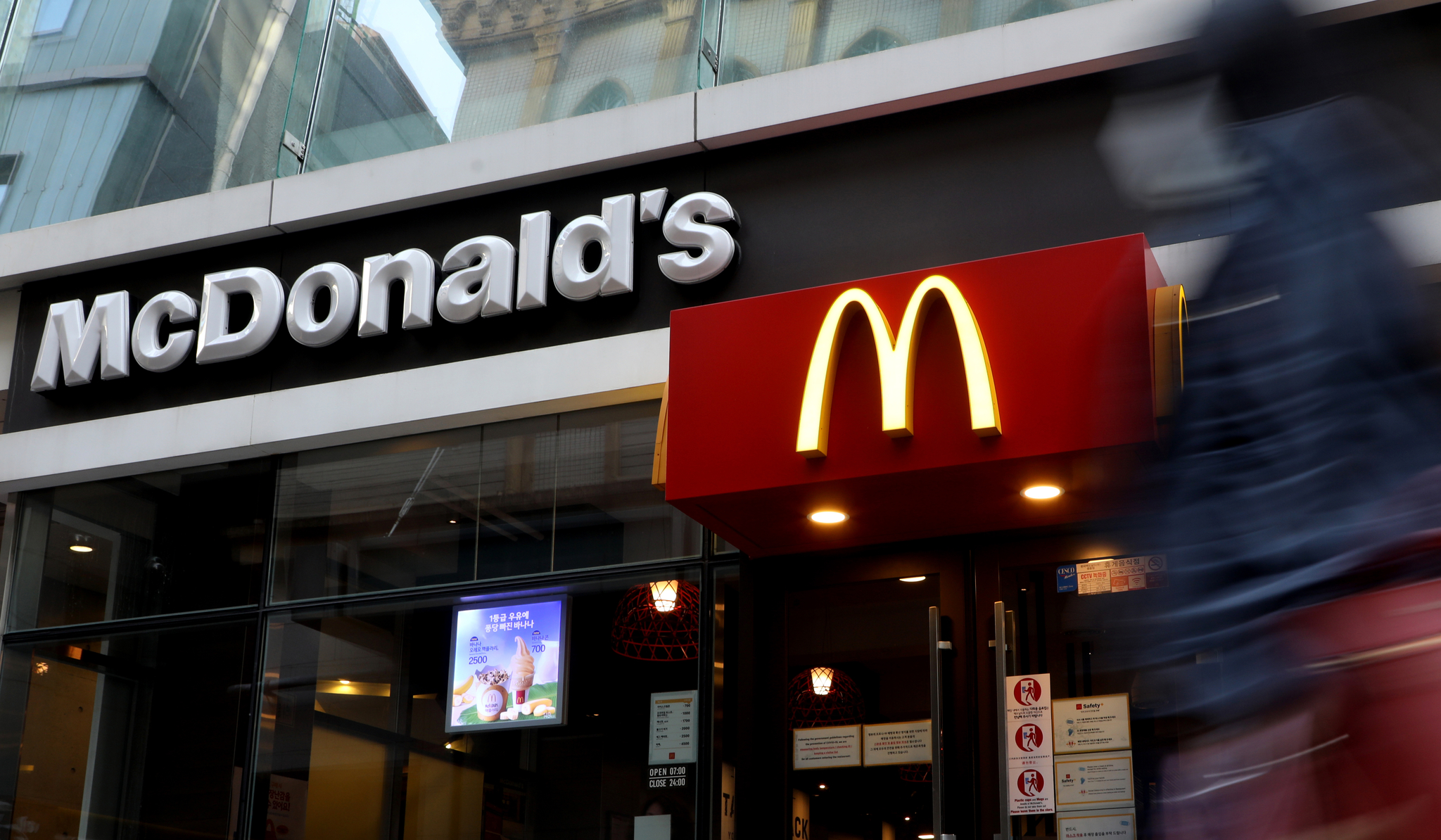
Una sucursal de McDonald's Corea en Seúl. [NOTICIA1] Con los precios de ingredientes alimentarios clave como el arroz, la carne de res, el pollo y los huevos subiendo, el costo de comer fuera también está aumentando al mismo ritmo, lo que eleva los precios de las hamburguesas, el gimbap (rollo de arroz con algas) y la panceta de cerdo. Un won débil también está empezando a influir más directamente en la inflación al consumidor, aumentando la carga que sienten los consumidores. Artículo relacionadoEl ministro de Agricultura se compromete a impulsar las exportaciones de alimentos y diversificar los mercados a medida que la cultura K impulsa el interés mundial. El gobierno lanza un grupo de trabajo para mejorar la estrategia de exportación de alimentos en medio del auge de la cultura K. Mientras las modas alimentarias van y vienen, las pequeñas empresas que intentan captar la última ola terminan ahogadas en deudas. Inspectores de salud revisarán las galletas masticables de Dubai y otros productos horneados para garantizar la seguridad alimentaria. Las cadenas de comida rápida han comenzado a traspasar los costos más altos a los clientes. McDonald's Corea aumentó los precios de algunas hamburguesas y bebidas entre 100 y 400 wones el viernes. Una Big Mac ahora cuesta 5.700 wones (3,93 dólares), un aumento de 200 wones. Una orden mediana de papas fritas aumentó de 100 wones a 2600 wones. Burger King Corea también aumentó los precios de los artículos, incluidos el Whopper y las bebidas, entre 100 y 200 wones a partir del 12 de febrero. Otros productos básicos de los restaurantes también se están volviendo más caros. Según el portal de información de precios de la Agencia del Consumidor de Corea, el precio promedio del gimbap en Seúl el mes pasado fue de 3.800 wones, un 7,4 por ciento más, o 262 wones, respecto al año anterior. También aumentó un 2 por ciento, o 77 wones, respecto al mes anterior. El precio promedio de una porción de 200 gramos de panceta de cerdo fue de 21.056 wones, un aumento del 0,9 por ciento, o 206 wones, respecto al mes anterior y del 3,8 por ciento, o 774 wones, respecto al año anterior. La industria de restaurantes atribuye los aumentos al aumento de los costos de los ingredientes y otros insumos. McDonald's, al anunciar su aumento de precios el día anterior, citó las crecientes cargas de costos de materiales y suministros. Los principales ingredientes alimentarios han ido aumentando. Según la Corporación de Comercio Agropesquero y Alimentario de Corea, el precio minorista promedio de una bolsa de arroz de 20 kilogramos (44,1 libras) se situó en 63.386 wones hasta el jueves, un 15,8 por ciento más que en 2025 y un 16,5 por ciento por encima del nivel habitual basado en un promedio de cinco años. Los precios de los productos ganaderos también se han mantenido inestables, impulsados por la escasez de oferta y las enfermedades del ganado. El precio minorista del lomo de res de grado 1+ promedió 15.535 wones por 100 gramos, un 9,5 por ciento más que el año anterior. El pollo promedió 5.807 wones por kilogramo, un 1,7 por ciento más interanual, mientras que la panceta de cerdo promedió 2.681 wones por 100 gramos, un 6,3 por ciento más. Un paquete de 10 huevos grandes promedió 3.940 wones, un 23,2 por ciento más que el año anterior. La carne de vacuno importada de Estados Unidos se exhibe en un mercado minorista en Seúl el 26 de diciembre de 2025. [NOTICIA1] Los precios de importación, que tienden a aparecer con retraso en los precios al consumidor, también han seguido aumentando. El Banco de Corea (BOK) dijo que el índice de precios de importación de enero, medido en términos de wones, aumentó un 0,4 por ciento respecto al mes anterior, marcando un séptimo aumento mensual consecutivo. Sin embargo, en términos interanuales, el índice bajó un 1,2 por ciento. Por categoría, el pollo importado aumentó un 27,6 por ciento interanual, uno de los mayores aumentos entre los artículos ganaderos. La carne vacuna estadounidense ha sido un caso notable. Aunque los aranceles sobre la carne vacuna estadounidense cayeron a cero este año, del 1,2 al 4,8 por ciento en 2025, los precios no han bajado. Hasta el jueves, el precio promedio del chuck eye roll refrigerado estadounidense era de 3.783 wones por 100 gramos, un 48,3 por ciento más que los 2.550 wones del año anterior. La carne de costilla refrigerada promedió 4.913 wones por 100 gramos, un aumento del 5,8 por ciento. Los precios más altos de la carne importada tienden a elevar los costos de los platos de los restaurantes que utilizan la carne como ingrediente principal, como la sopa de costillas y el bistec coreanos. Otra preocupación es que estos aumentos en los precios de los productos agrícolas y ganaderos hayan persistido durante un período prolongado. En un informe publicado el 11 de febrero, el Instituto de Economía Rural de Corea dijo que los precios de los productos agrícolas y ganaderos aumentaron un promedio de 4,8 por ciento anual entre 2020 y 2025, atribuyendo la tendencia al aumento de los costos de producción y distribución que se trasladan constantemente a los consumidores. El informe dijo que los aumentos de precios fueron especialmente pronunciados para los productos ganaderos, con un 4,3 por ciento, y para las frutas, con un 8,3 por ciento. Una comida de 1000 wones ofrecida en línea con la iniciativa de Gyeonggi lanzada en 2023 [MINISTERIO DE AGRICULTURA, ALIMENTACIÓN Y ASUNTOS RURALES] “Es necesario que haya una mejora a mediano y largo plazo en toda la estructura de suministro y distribución de productos agrícolas y ganaderos”, dice el informe. El gobierno también ha lanzado un grupo de trabajo interinstitucional especial sobre costos de vida, presidido por el viceprimer ministro Koo Yun-cheol, con el presidente de la Comisión de Comercio Justo, Joo Byung-ki, como vicepresidente, para reforzar la supervisión. El gobierno también está aumentando la presión sobre los cárteles, diciendo que la colusión entre empresas puede impulsar aumentos de precios. "En toda nuestra sociedad, la colusión antimercado está profundamente arraigada en toda la economía y la industria, desde el azúcar y la harina hasta la carne y el pescado", dijo el presidente Lee Jae Myung en una reunión con sus principales asesores el jueves. "Esta colusión que abusa del poder de mercado es una presencia cancerosa que obstaculiza el desarrollo de la economía nacional". Este artículo fue escrito originalmente en coreano y traducido por un periodista bilingüe con la ayuda de herramientas de inteligencia artificial generativa. Luego fue editado por un editor nativo de habla inglesa. Todas las traducciones asistidas por IA son revisadas y refinadas en nuestra sala de redacción. POR AHN HYO-SEONG [kim.minyoung5@joongang.co.kr]